Hanoï
Hanoï
Welcome to Hanoi, the biggest city of the north of vietnam. Hanoi is known as the political capital of Vietnam. Founded in 1010, it was once the ancient royal capital. In 1882, after being colonized by the French, the entire old town was transformed. Many colonial buildings are still visible today, offering a unique blend of Asian architecture and European style. Despite the Indochina War and later the Vietnam War, many of these structures remain standing today.
Informations:
- Transport: use taxi apps like Green SM or Grab (via scooter or car).
Money: It can be difficult to exchange money in your home country (at least in France). In Vietnam, small businesses do not always accept credit cards. It is best to exchange your money once you are in the city, preferably at a bank. The exchange rate may be slightly better than at small exchange shops, and it is generally safer.
- Temples: your shoulders and knees must be covered !
Table of contents:
Getting around Hanoi
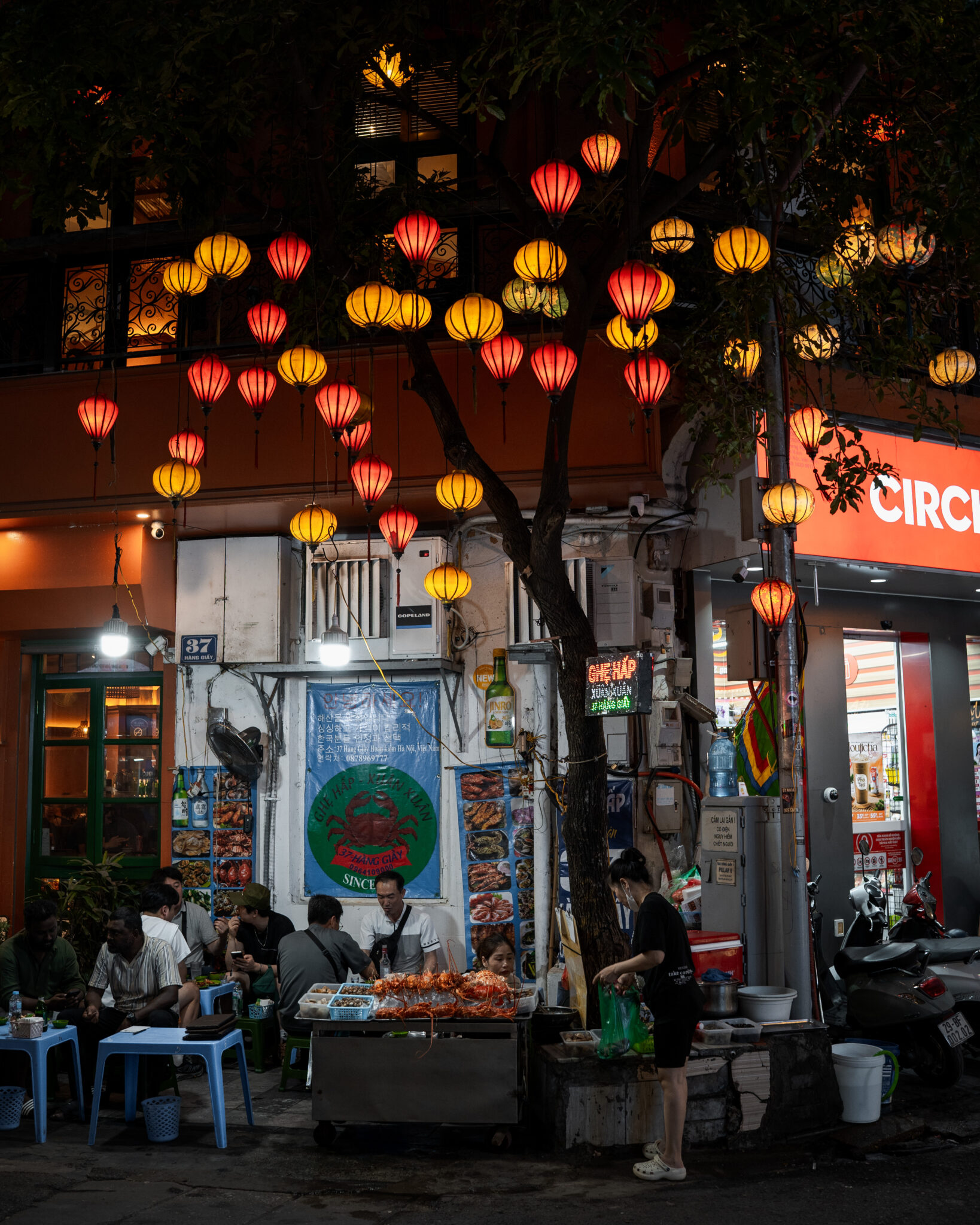
Unlike other destinations, public transportation is almost nonexistent in Hanoi. There are a few bus lines, but most residents get around by scooter. Hanoi is one of the most polluted cities in the world, and nearly every resident owns a scooter.
To get around, taxis are very useful and efficient. There are two main applications:
- Grab: the most widely used app, very easy to use.
- Green SM: 100% of the vehicles are electric. Often cheaper than Grab in cities, I used it daily. Be careful:
If you use your regular phone plan, you may experience connection issues with the app (e.g., Orange). You’ll therefore need to get an eSIM to be on an appropriate Vietnamese network compatible with the app.
Modes of transport
Scooters and cars are available through these apps. You’ll quickly understand that traffic rules are almost nonexistent. To avoid accidents, Vietnamese people use their horn. Riding a scooter is an experience worth having; once you take the plunge, you’ll probably end up using them all the time. Note that even without a driver’s license, you can still rent a 50cc scooter. From 125cc upwards, an international license is required (it’s cheap but you have to do it online a few months before your trip).
Transports app / Be careful:
- Make sure to double-check the drop-off point to avoid unpleasant surprises.
- When using the apps for the first time, remember to set up card payment. Even after adding your bank card to the app, the default payment method is cash.
- Be careful: drivers don’t always have change on them. It’s therefore better to pay directly by card.
What to do in Hanoi
Religious buildings
Buddhism being the historic and main religion of Vietnam, numerous temples and pagodas can be found throughout the country. Buddhism plays an important role in the daily life of the people, who come there to pray, make offerings, or celebrate certain traditional festivals.
During French colonization, many churches were built, converting part of the population to Christianity. Even today, French influence remains visible through several churches and cathedrals found throughout the country, most notably the famous St. Joseph’s Cathedral in Hanoi. This blend of Buddhist and Christian influences contributes to the cultural and architectural richness of Vietnam.
Rules to respect:
- Wear clothing that covers your shoulders and knees out of respect for these religious sites.
- To enter the main part of the temple, where locals come to pray, remove your shoes before going in.
- Avoid speaking loudly and stay discreet to preserve the calm and spiritual atmosphere of the place.
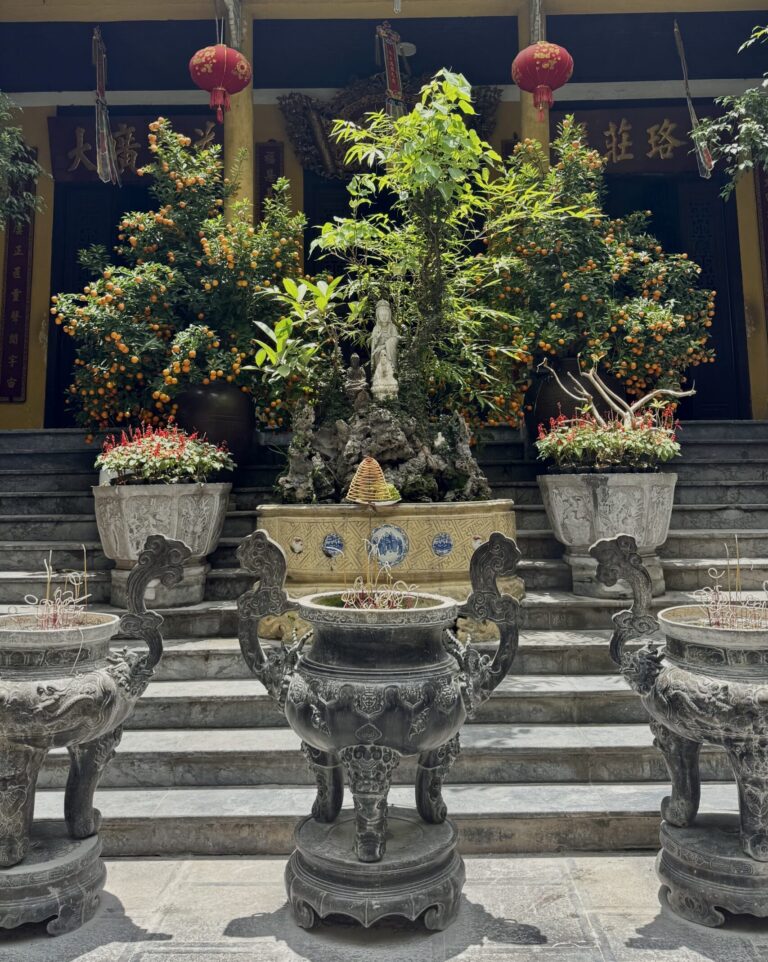
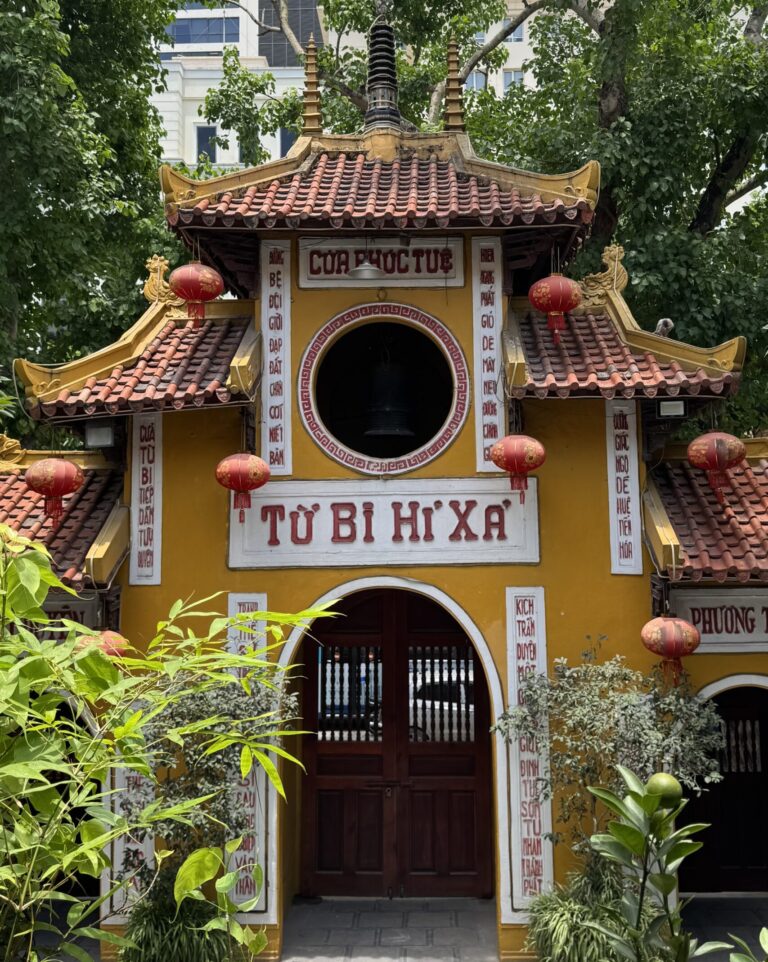
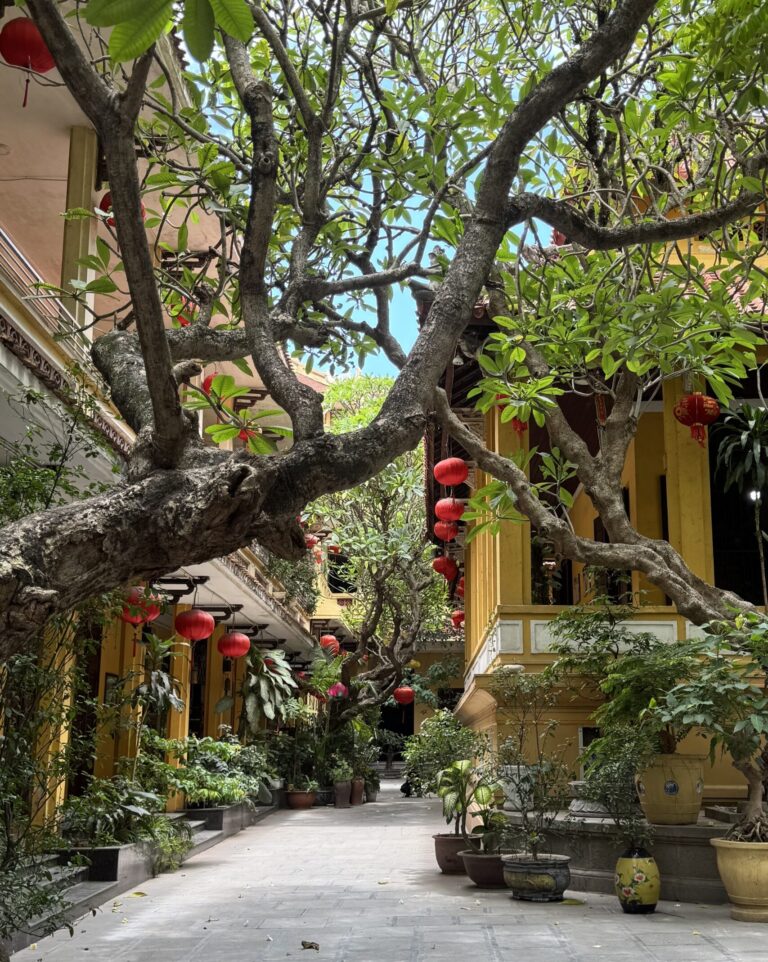
Pagoda of the ambassadors (Chùa Quán Sứ) :
Located in the heart of Hanoi, in the French Quarter, the Pagoda of the Ambassadors is a peaceful place known for its traditional architecture and spiritual atmosphere. Less known to tourists, it offers a moment of calm.
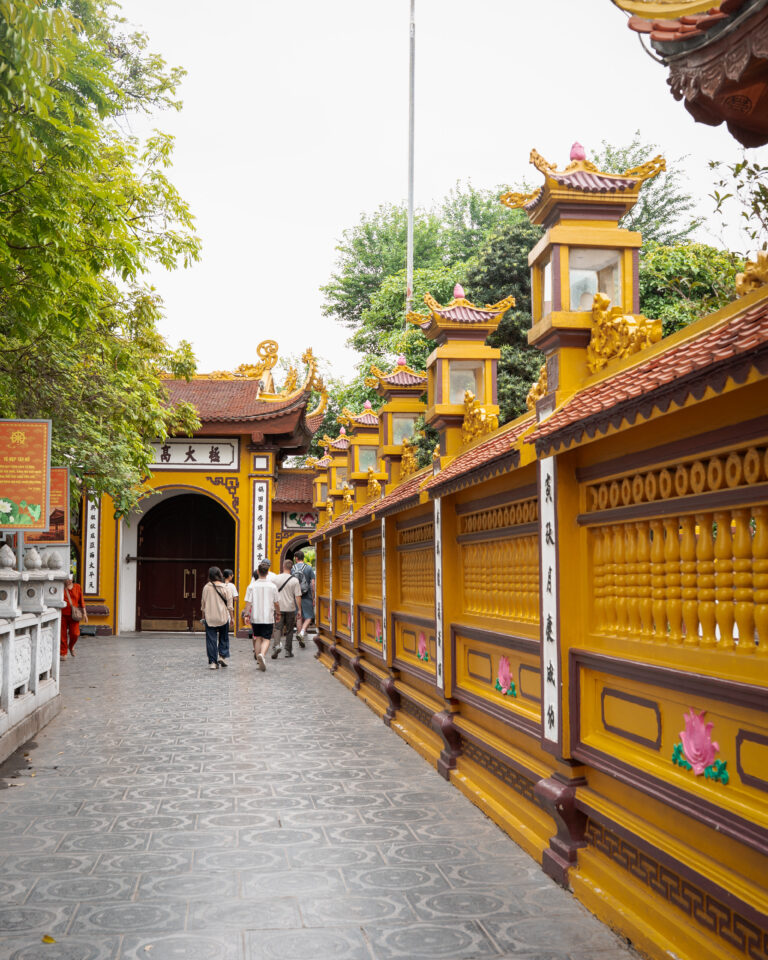
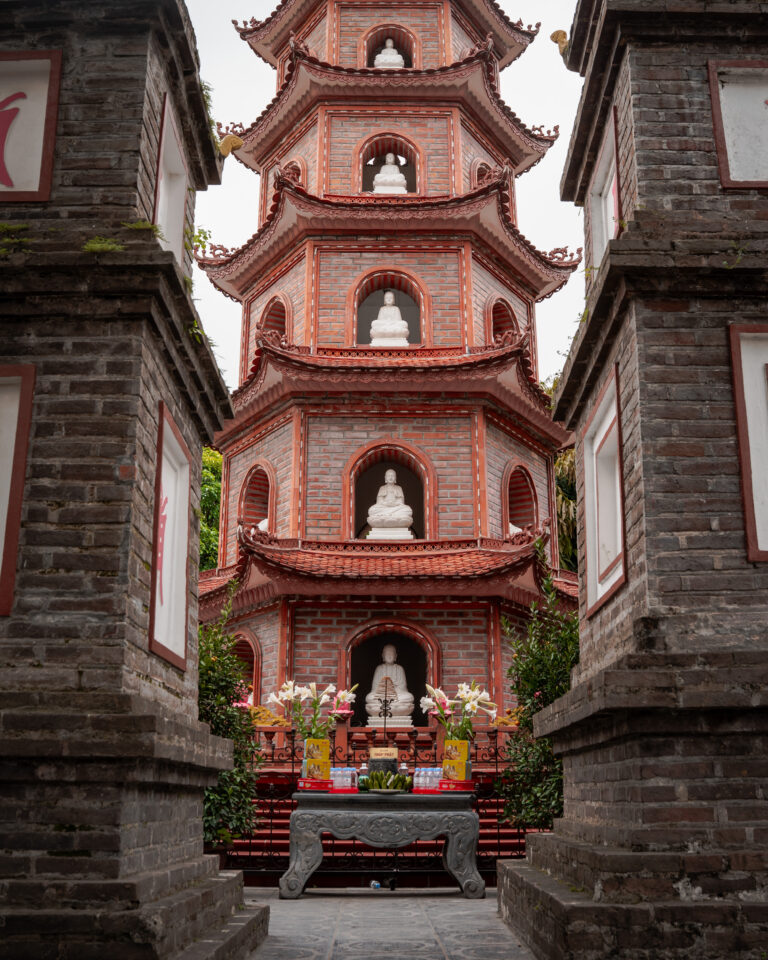
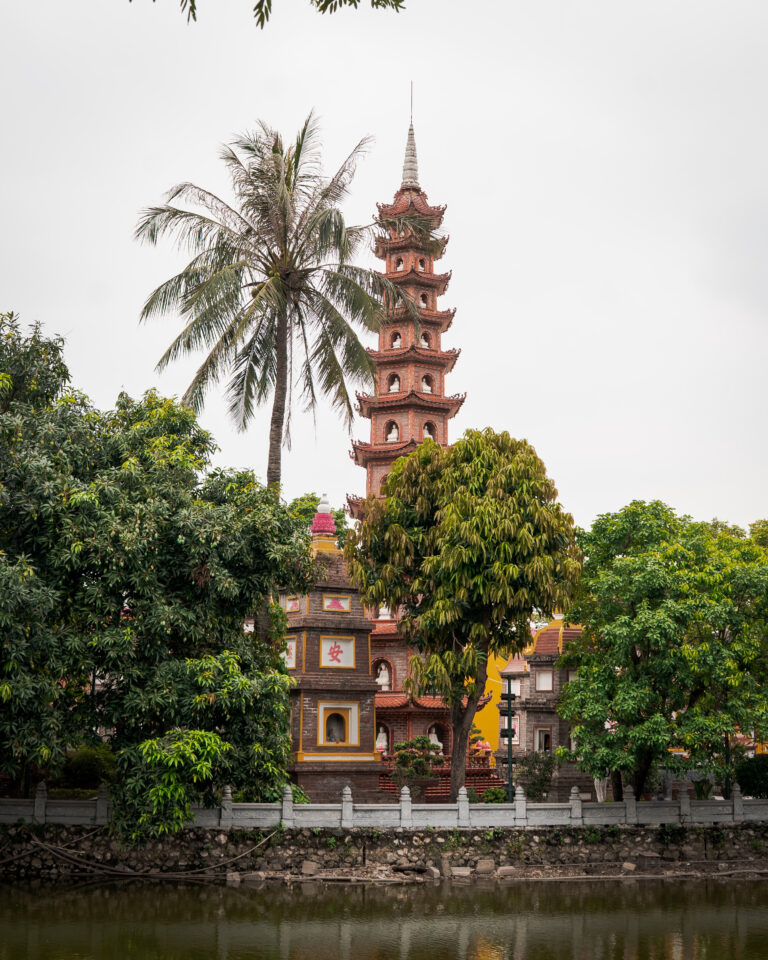
Pagode Trấn Quốc (Chùa Trấn Quốc) :
Located in the north of Hanoi, on the shores of West Lake (Hồ Tây), Trấn Quốc Pagoda is the oldest pagoda in Hanoi. With its iconic red tower and peaceful setting, it is one of the most beautiful Buddhist sites in Hanoi. Remember to dress appropriately.
St Joseph Cathédrale (Nhà Thờ Lớn Hà Nội) :
Inspired by French Gothic architecture, St. Joseph’s Cathedral is one of the historic symbols of Hanoi. Its colonial charm and lively atmosphere attract visitors and locals alike.
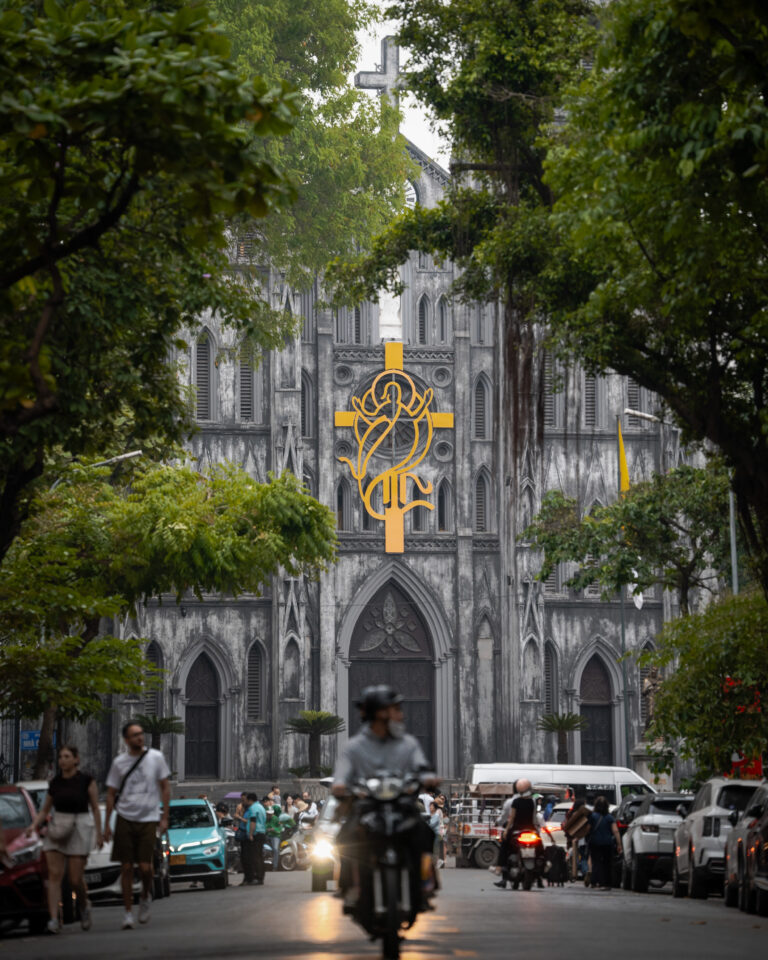
Front
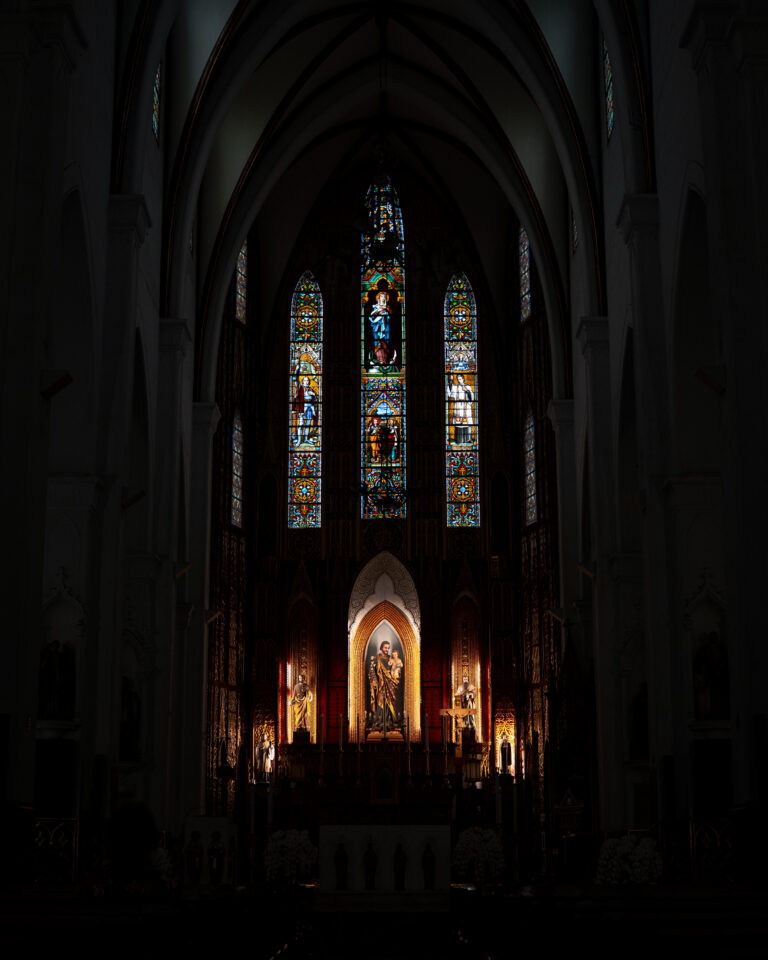
Inside
Historical Buildings
Prison Hỏa Lò (Di tích Nhà tù Hỏa Lò):
Built in 1896 by the French during the colonial period, the prison held many political prisoners. At the time, it was one of the most modern prisons in Indochina. Later taken over by the Vietnamese, it was notably used to hold American soldiers during the Vietnam War. The museum focuses on the suffering inflicted by the French and offers insight into the horrific detention conditions, as well as the events that shaped the country’s history.
Entrance fee: 50,000 đồng
Audio guide fee: 100,000 đồng.
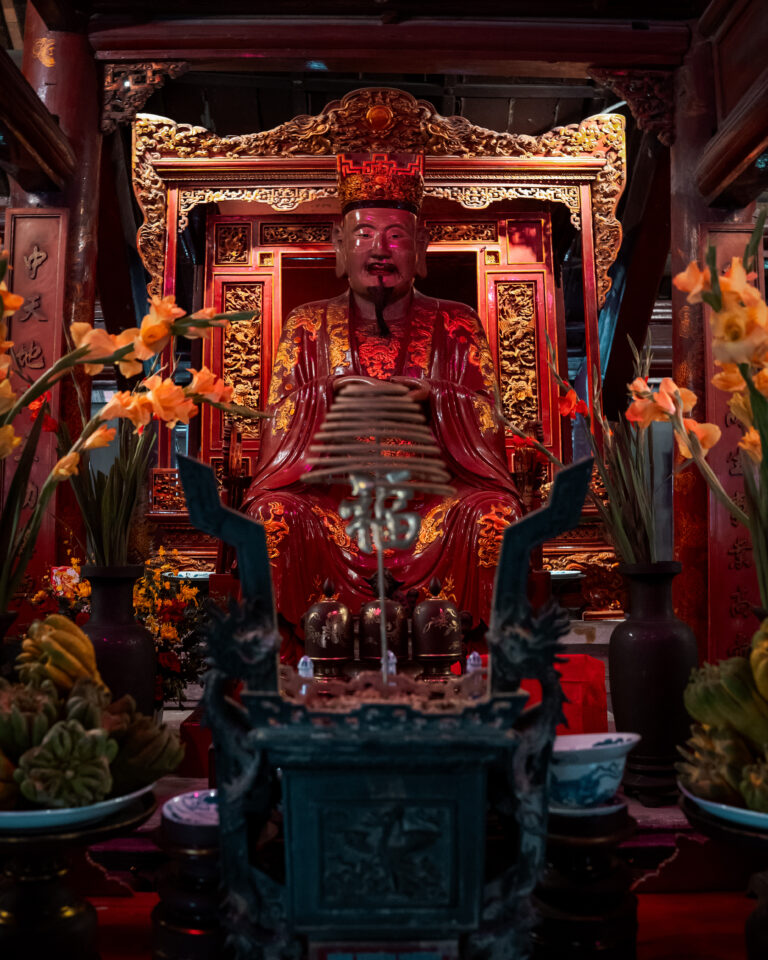
Temple of literature (Văn Miếu – Quốc Tử Giám) :
Dedicated to Confucius, the Temple of Literature is considered Vietnam’s first university. Founded in the 11th century, this iconic site once welcomed students destined to become mandarins and high-ranking officials. Between peaceful gardens, traditional pavilions, inner courtyards, and ancient architecture, the site offers a true immersion into Vietnamese history and cultural heritage. Despite its popularity with tourists, the atmosphere remains particularly calm and pleasant, ideal for a break away from the hustle and bustle of Hanoi.
Entrance fee: approximately 70,000 đồng.
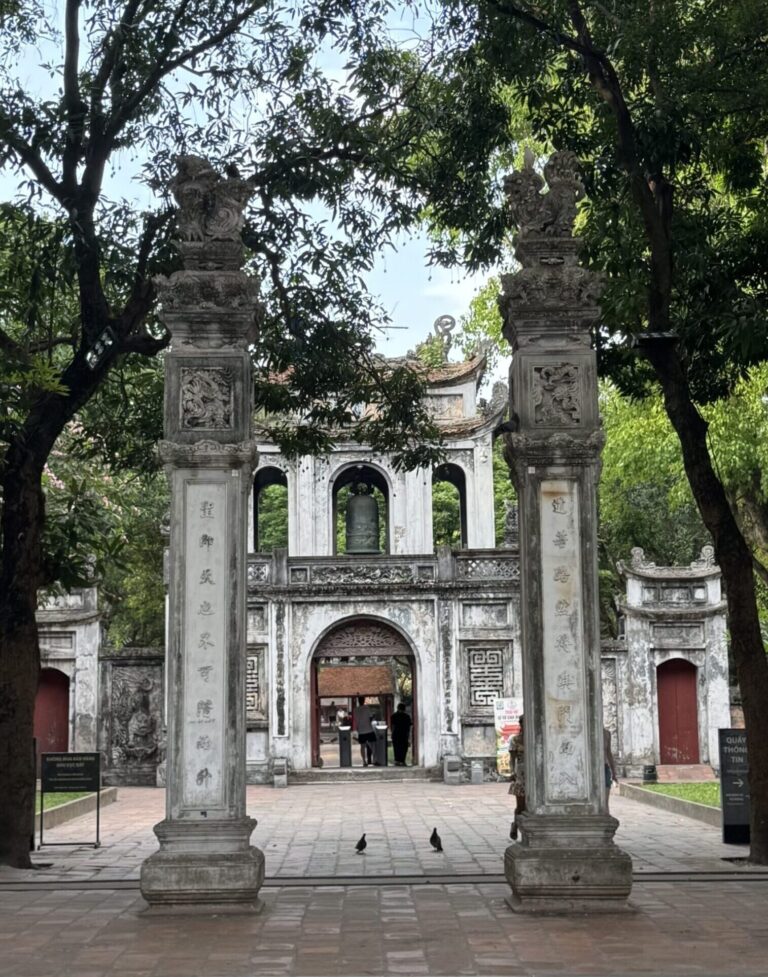
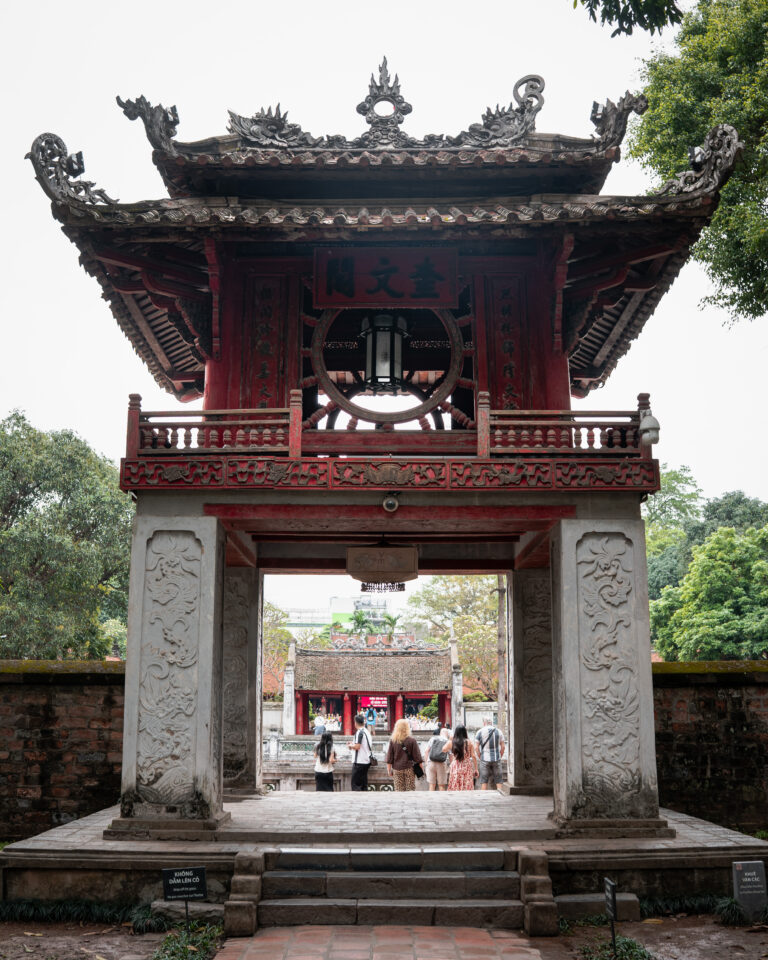
Opera of Hanoï (Nhà hát Lớn Hà Nội) :
Closed (2026)
Đồng Xuân Market:
Dong Xuan Market is the largest covered market in Hanoi. There you’ll find a wide range of clothing, souvenirs, local specialties, and street food, all in an authentic and lively atmosphere. Keep in mind that prices are often negotiable.
From Friday to Sunday, after the market closes, you’ll find the night market along Hang Dao and Hang Ngang streets (clothing and gift items only).
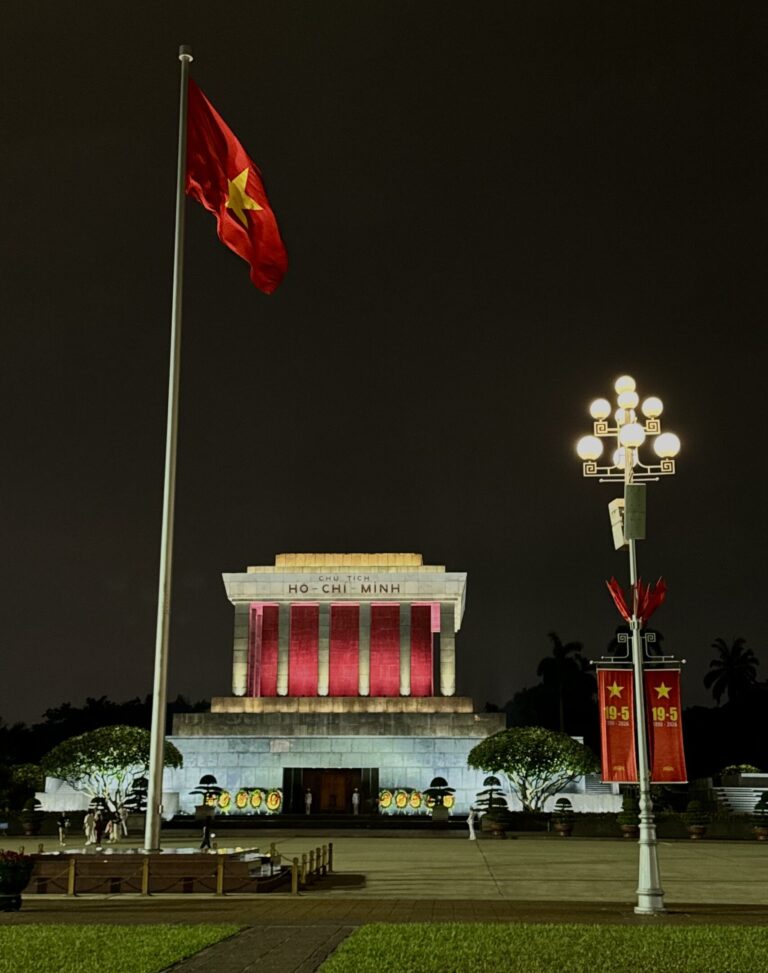
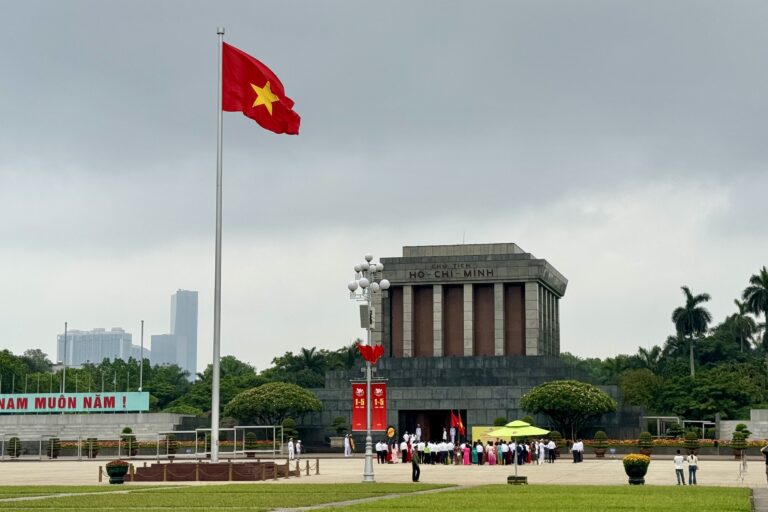
Ho Chi Minh Mausoleum (Lăng Chủ tịch Hồ Chí Minh):
The Hồ Chí Minh Mausoleum is one of the most iconic sites in Hanoi. This monument houses the embalmed body of the former Vietnamese president and symbolizes an important part of the country’s history. Located on Ba Đình Square, access requires passing through security checks at every entrance.
Several buildings can be found here:
- Hồ Chí Minh Mausoleum:
- Opening hours: 7:30am – 10:30am (closed on Mondays)
- Price: free
- Entrance: from Ngọc Hà Street
- Note: cameras are not allowed!
- Ba Đình Square:
- Flag raising: 6am
- Flag lowering: 9pm
- Note: if you want to watch from across the square, there’s a white line you must not cross!
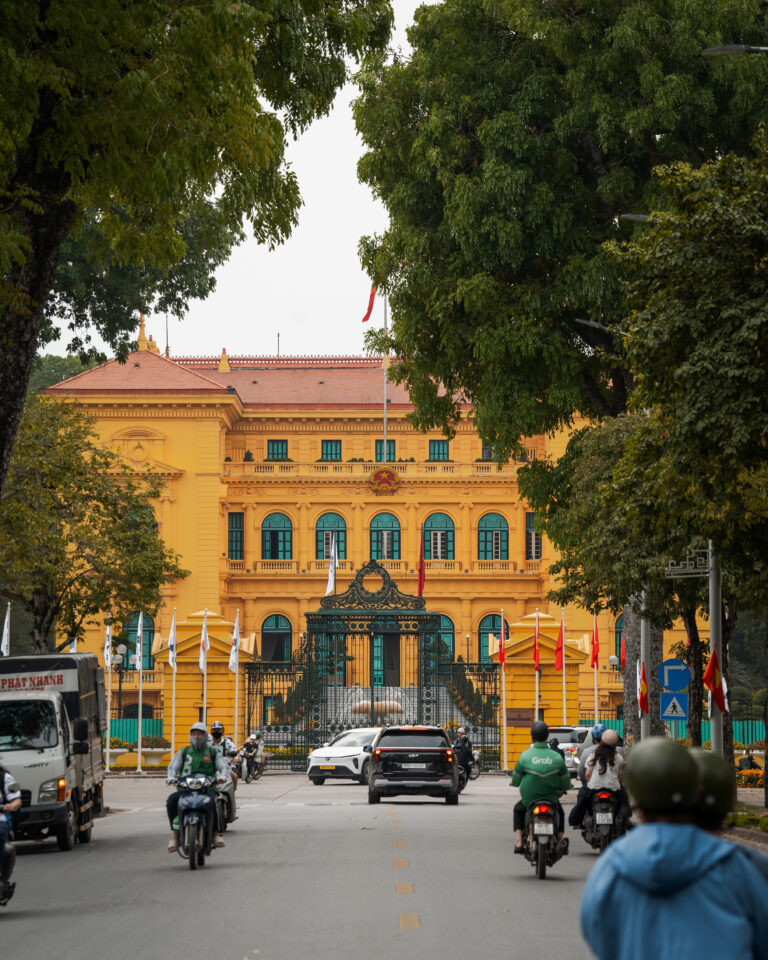
- Presidential Palace (grounds only):
- Hours: 7am – 4pm (closed on weekends and Friday afternoons)
- Price: 40,000 đồng
- Entrance: from Ba Đình Square (after security checks)
My Take on Overrated Attractions:
Some sites are very well-known but ones I didn’t necessarily find worthwhile:
- The Thăng Long Imperial Citadel, which charges an entrance fee and isn’t anything special to see.
- Train Street, which I didn’t enjoy. There are huge crowds, every 5 meters someone asks if you want to order something, and some entrances are blocked by locals if you don’t buy from their café. If you want to watch the train without ordering anything, no matter where you stand, someone will tell you that you’re not allowed to be there (with no real justification), and security will push you behind the barriers, where you won’t be able to see a thing. If you don’t want to pay for bad, overpriced drinks, avoid the times when the train passes by.